Interview ·
Jolanda Moletta
Jolanda Moletta performs at Lumen Project x Nordiska Museet on 15 November. We spoke with her about improvisation, ritual, and what the voice can do once it lets go of words.
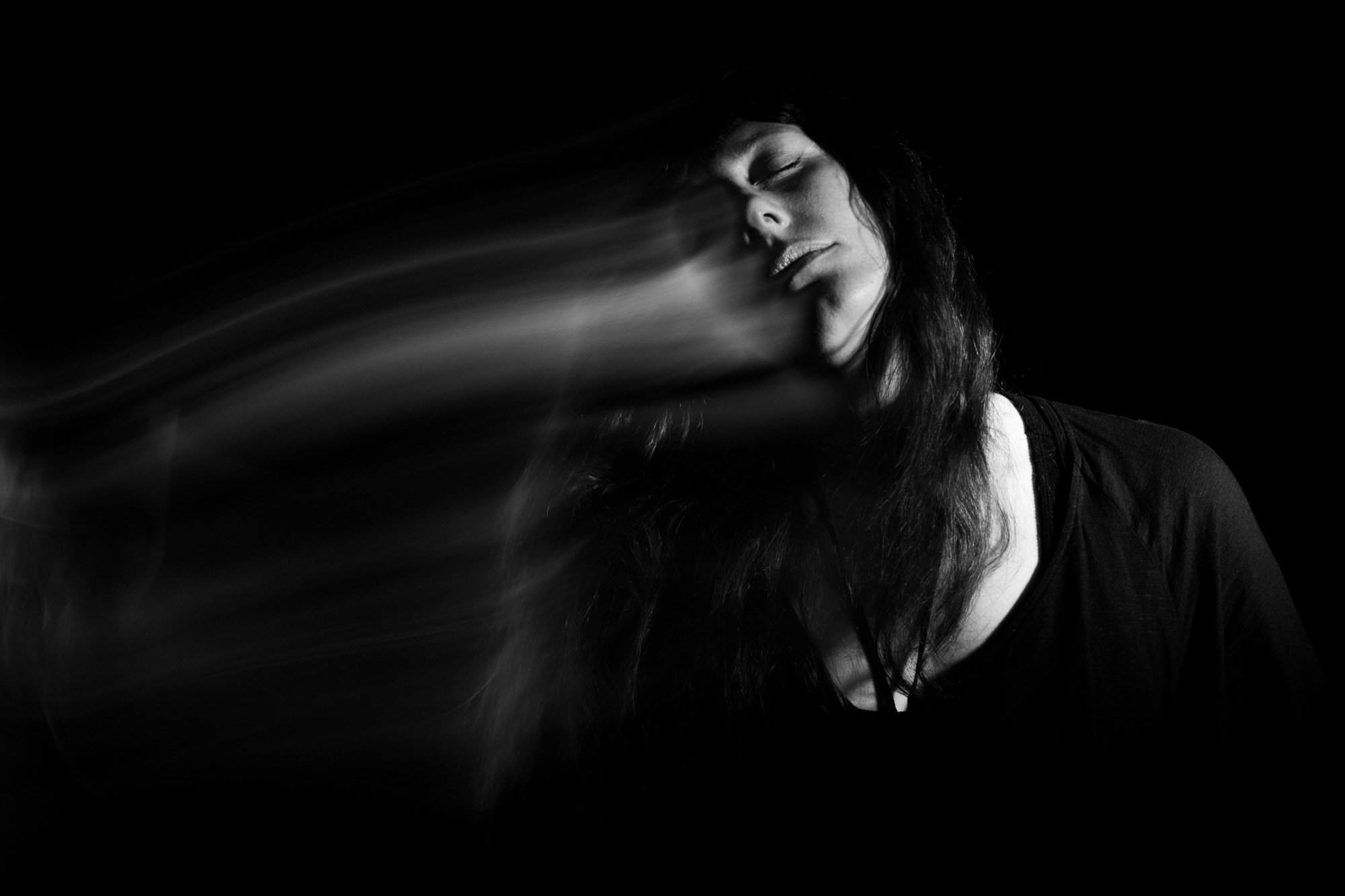
You’ll be performing at the Lumen Project in mid-November, as we move into the darker and more inward part of the year. Your work is closely connected to natural and lunar cycles. Does the particular time and place of a performance change what it can become?
There’s a huge part of improvisation in my live set, so the environment, the time of day, and the season deeply influence what happens on stage. For this particular show, I expect to be inspired to create some deep, introspective textures, starting with vocal drones, layers of sustained sounds and slowly evolving sound washes, and to let everyone get lost in it. But you never really know what will happen until you’re there, and the performance might take a completely different direction from what I imagined. I like leaving that space open for something unexpected to happen.
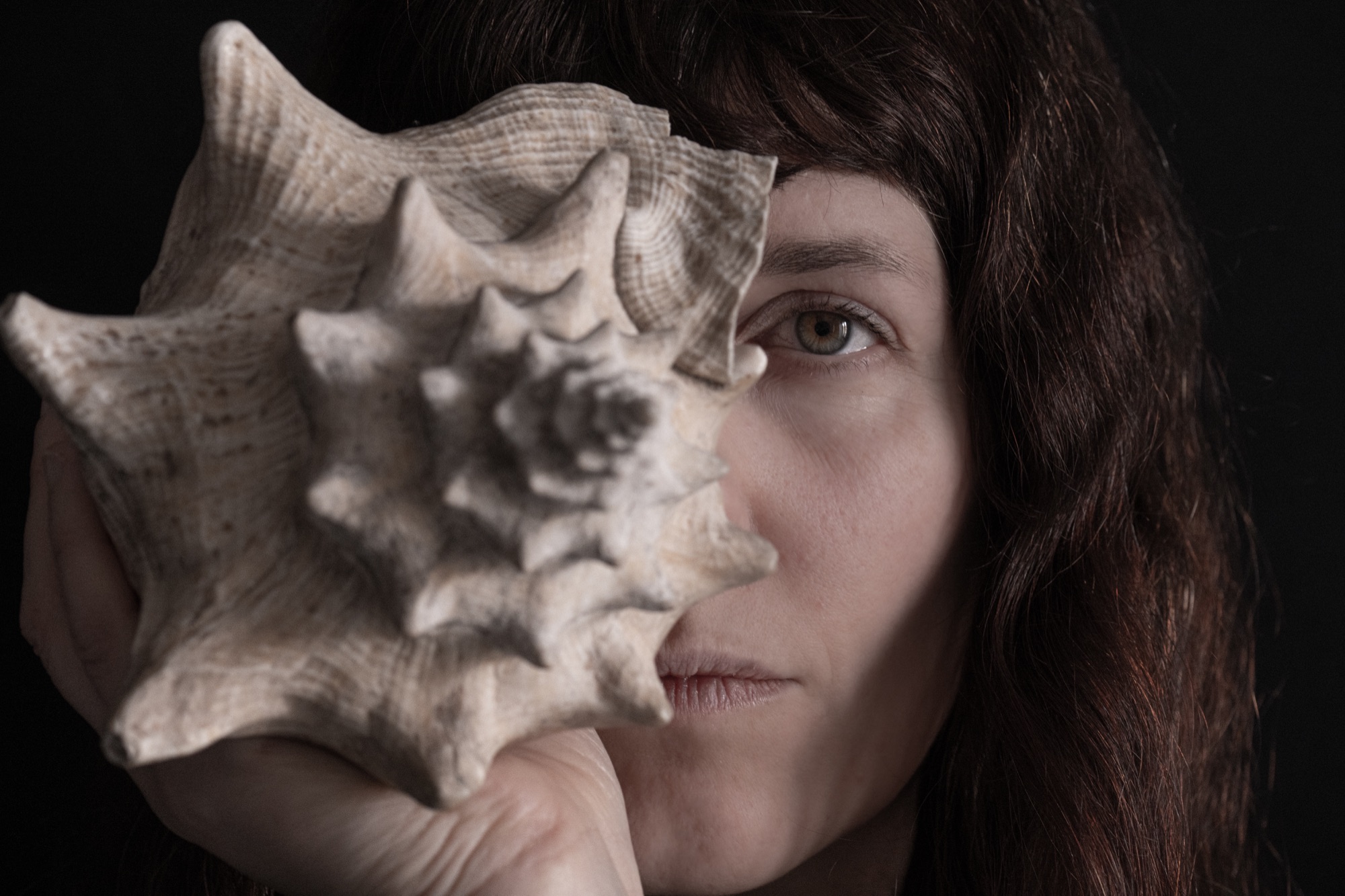
Ritual runs through much of your work, and you have described your performances as collective rituals rather than concerts. What draws you to ritual, and what do you think it can offer us today?
Ritual has always fascinated me because it is something deeply human. I think we have a natural need to give meaning to our actions, and throughout history, people have done this through gestures, sounds, music, dance and repetition. When we bring intention to an action, even something very simple, it can become a ritual. I recently read Ritual: How Seemingly Senseless Acts Make Life Worth Living by Dimitris Xygalatas, and I found it interesting how he connects ritual to the origins of art, through rhythm, movement and symbolism, and the way these can take us beyond the ordinary.
This is what I try to bring into my performances. I’m not interested in recreating a specific ritual, but in creating the conditions for a collective one to happen.
I think ritual can offer us something very valuable today: a moment to slow down, enter a different state of presence, and experience something together without needing to explain everything.
For me, especially when I improvise, it’s about really feeling the people in the room and finding a kind of shared emotional space where, for a moment, we can breathe as one. I try to listen deeply to everything around me, to the silences, the breaths, the atmosphere, and let these things guide what I create. It’s about being present, feeling each other and allowing something to happen between us that we couldn’t have planned. That’s where I find something sacred in music.
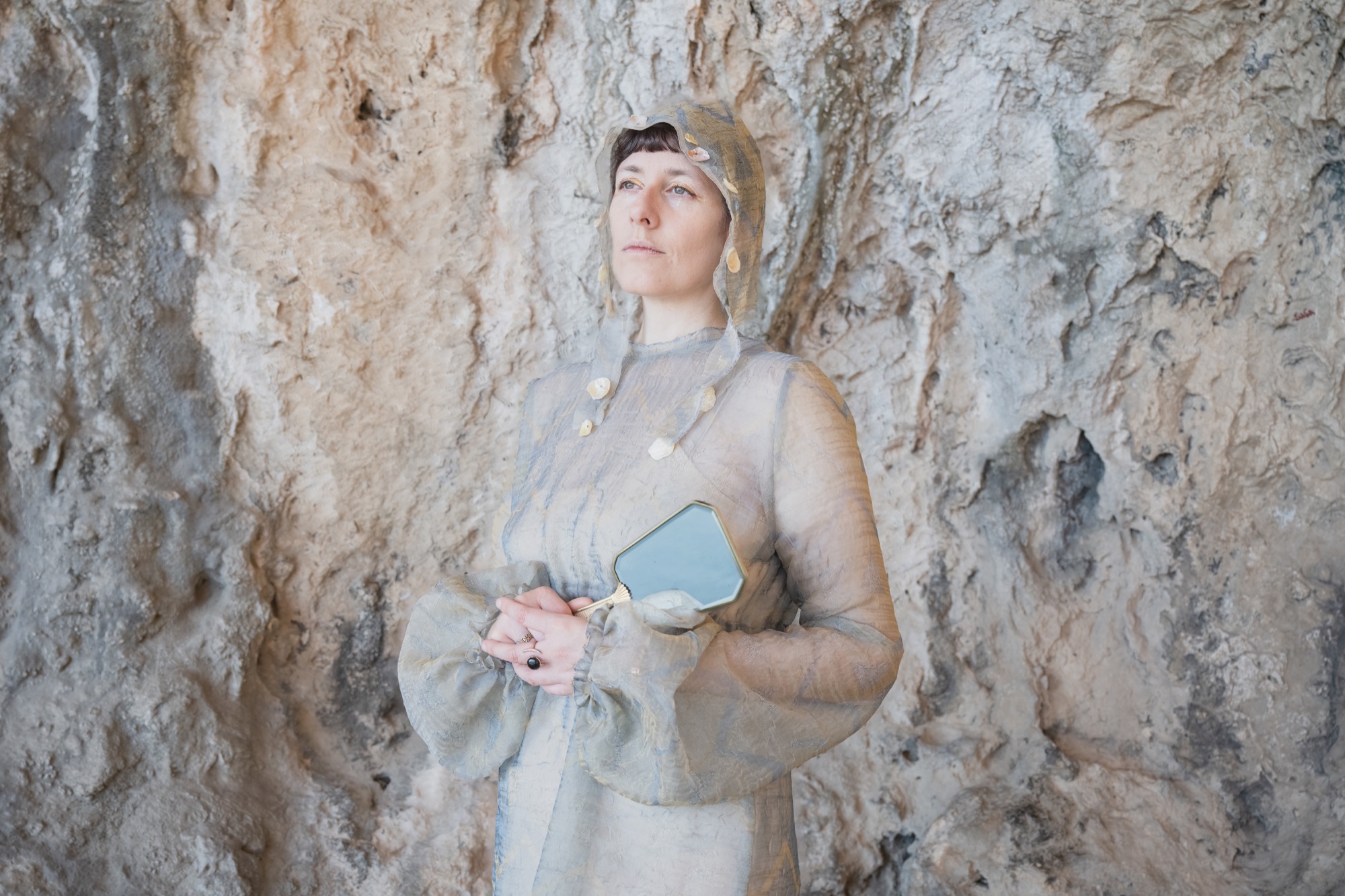
Your solo work centers on the voice, but largely removes words and language from it. What becomes possible when the voice no longer has to explain or name anything – both for you as a performer and for the person listening?
Our voice is such a primal instrument. It’s how we communicate and express ourselves, but it can do so much more than convey words. When I leave language out, I make space for people to create their own images, feelings and associations, without guiding them towards a specific meaning. I’m interested in that liminal space, where something can be felt without necessarily needing to be understood.
As a performer, I try to listen deeply and become a kind of channel. Sometimes word-like sounds emerge, almost as if something wants to be expressed, but I don’t feel the need to turn them into words. I work with different nuances of the voice: breaths, sustained tones, whispers, moments when the voice breaks, and silence, which is just as important to me. The voice doesn’t have to be beautiful or controlled all the time; it’s a deeply emotional instrument.
For the listener, I think this creates the possibility of connecting with the sound in a very personal way, but also of sharing something with others beyond words. I’m interested in how the voice can create a sense of belonging and empathy, a feeling of being part of something together, even when we come from different backgrounds or cultures. Sometimes we don’t need to understand each other through language to feel connected.